
 By admin
The Global Business Context
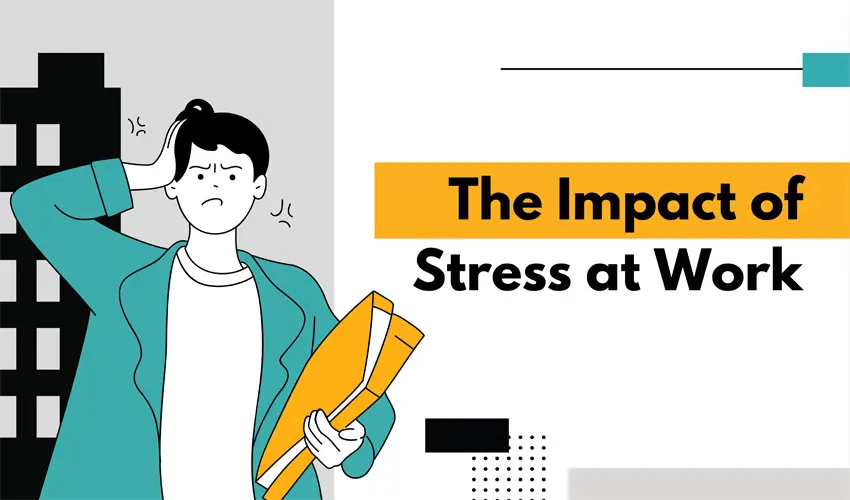
Today’s global economy has created a more composite and vibrant environment in which most firms must learn to compete effectively to achieve sustainable growth. Workforces around the world have become larger, increasingly diverse, more educated, and more mobile This global environment has not only changed the way business is conducted, it has also created the need for organizations to manage their workforces in a global context. As a consequence, the notion of a ‘Global Workforce’ has received extensive discussion recently. With the global workforce, new ailments are cropping up in the corporate world. One of them is Stress. Off late it has become a major issue in the employee – employer relations. Particularly in the organisations where working hours are long and employees’ patience is tested, like Police forces, Defence department, all public works related organisations and corporate sector where targets have to be achieved. Unfortunately, even the healthcare industry is also facing stress related issues.
For decades, workplace stress was viewed primarily as an individual concern to be managed by HR—often through wellness programs or stress management workshops—rather than as a systemic, business-critical risk that warrants executive oversight. The consequences of this outdated perspective persist today—not due to a lack of awareness, but because workplace stress is often still treated as peripheral to business strategy rather than as integral to it.
In our modern world, stress management is needed by almost everyone. In this note we will try to understand, what exactly is Stress and learn how to implement stress management strategies in daily life which can be extremely helpful in improving the quality of life.
In today’s composite and vibrant global economy, firms must compete effectively to achieve sustainable growth. The rise of a Global Workforce—larger, more diverse, and more mobile—has changed business conduct and created a critical need for organizations to manage employees in a global context.
With this shift, new ailments have garnered, chief among them being Stress. Once viewed as a peripheral HR concern to be managed via simple wellness workshops, workplace stress is now recognized as a systemic, business-critical risk that warrants executive oversight.
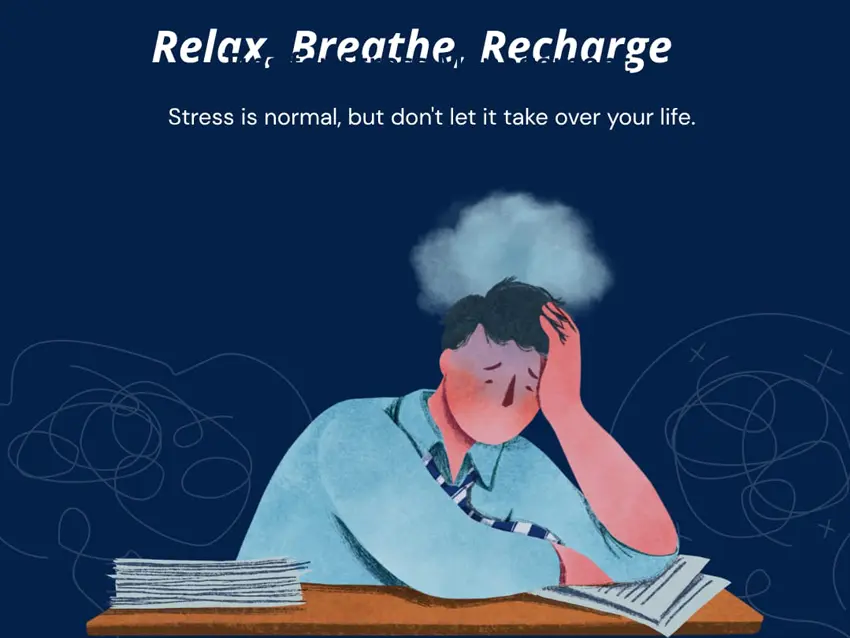
High-Risk Sectors:
- Target-Driven: Corporate sectors with strict achievement goals.
- High-Pressure: Police forces, Defence departments, and public works.
- Critical Care: The healthcare industry, which increasingly faces stress-related disruptions.
II. Understanding the Science of Stress
Stress is the tools, strategies, or techniques used to reduce negative impacts on mental or physical well-being. It can be categorized as:
- Acute Stress: Immediate response to a perceived threat (e.g., escaping a lion).
- Chronic Stress: Long-term response to ongoing pressure (e.g., a stressful job held for years).
The Biological Mechanism
Stressful events activate the Hypothalamic-Pituitary-Adrenal (HPA) axis.
- The Initial Burst: Cortisol provides energy to “fight or flight.”
- The Wear-Down: While humans were designed for short bursts of energy, modern chronic stress keeps the body “wired” until it reaches exhaustion. This wears down physical health and may eventually require a “stress detox” to reset hormone levels.
III. Individual Management Strategies
Managing stress is simple in principle, though not always easy in practice. Strategies can be divided into behavioral habits, mental skills, and physical practices.
1. Behavioral Habits (The Foundation)
Sleep: Insufficient sleep triggers the HPA axis. To improve quality, block blue light (TVs, phones) at least 30 minutes before bed.
Diet: Avoid calorie restriction, which increases HPA activation. Focus on:
Quality Proteins: Antibiotic-free meats or meat substitutes.
Healthy Fats: Olive, coconut, and avocado oils instead of trans fats.
Sugar Reduction: Limit sugar to reduce long-term inflammation.
Exercise: When stressed, avoid high-intensity workouts that spike cortisol. Opt for low-intensity activities like walking or swimming.
Caffeine: Minimize intake, especially when already feeling exhausted.
2. Stress Management Skills
Mindset Change: View situations as challenges to be handled rather than threats to be feared.
Meditation: Science shows regular meditation can directly decrease cortisol levels.
Interpersonal Connection:
Kindness: Expressing compassion and gratitude buffers the body against stress.
Communication: Building interpersonal skills helps you get what you need from others more effectively, reducing social friction.
Social Support: Positive social connections at work act as a safety net against the negative effects of a high-pressure environment.
3. Immediate Physical Practices
Progressive Muscle Relaxation: Tensing and releasing muscle groups (starting from the hands down to the feet) to lower cortisol.
Deep Breathing: Slowing your breath to 2–4 cycles per minute to activate the parasympathetic “rest and digest” system.
Cold Exposure: Taking a cold shower or bath to tamping down the stress response.
IV. Conclusion
With the given stress related issues, it can be said the Managements need to strive for stress free work culture. In totality it may seem impossible but stress can be minimised if the work is properly organised with the Human element in focus. With the growing urge to buy each and everything, within no time, with the least amount, with least efforts, etc,etc; thus Human wants are unending and failing to achieve their goals people get frustrated, leading to high stress levels. Then they run for medicinal solutions, which does not help. So nip the bud of stress at its very early stage. In our modern world, stress management is a necessity for almost everyone. By treating stress as a business-critical risk rather than an individual burden, organizations can protect their sustainable growth while individuals significantly improve their quality of life.
By Prof. Dr. Mohammad Raza Shah
Principal & Professor, Deccan School of Management
Image source: From canva
Leave A Comment