 By admin
Here’s the most anticipated article.
Letter to Editor
Revisiting Perceptual Distortions in the Age of Generative Artificial Intelligence: A Modern Perspective on “Alice in Wonderland Syndrome”
Ali, Shireen Adeeb Mujtaba
At Medaura 2026, students from various medical colleges asked me about “Alice in Wonderland Syndrome” and what made me choose this topic.
Personally, I’m fond of Alice from the Alice in Wonderland animation series. She’s optimistic and finds solutions even in a crisis. I’ve read a lot about her. Back in 2013-2016, I blogged regularly on WordPress under the name FAFE (Friends are Forever). I published poetry, short essays, and philosophical musings. While reading Alice in Wonderland, I came across Alice in Wonderland Syndrome. I researched it, scribbled some notes, and posted them on my blog, which gained a lot of views and comments.
Alice in Wonderland Syndrome (AIWS) is a neurological disorder characterized by size illusion, time-space dissociation mainly associated with migraine, infection, or stress. Although episodes are transient, they can be quite confusing at times. Analyzing the concept of AIWS provides a view on human perception and how the brain defines reality.
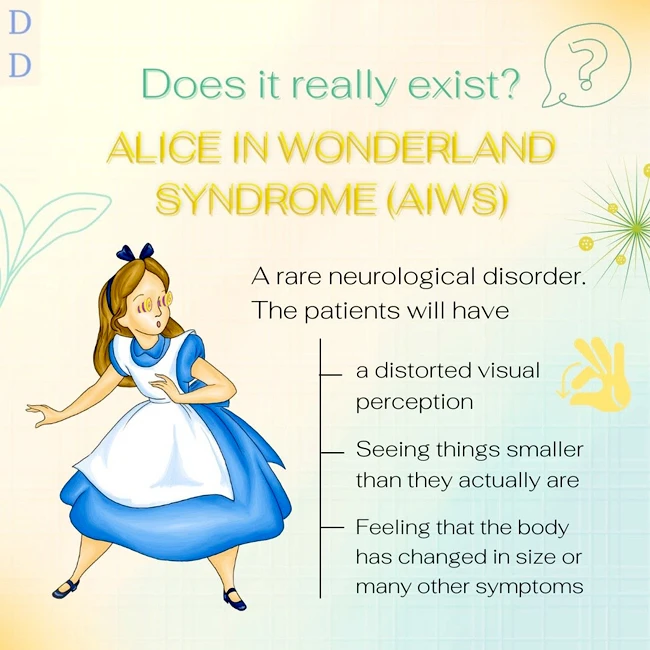
Image Source: https://www.asianhhm.com/articles/when-the-mind-plays-tricks-exploring-alice-in-wonderland-syndrome
Later, in 2018, I joined a PhD program and deleted my blog. During my studies, I noticed how my fellow scholars used generative AI (AI) tools to draft research articles, chapters, and theses. They’d ask vague questions and get answers that weren’t applicable in real life. I thought maybe we were all in lockdown and exploring these AI tools. However, I also noticed that articles written using AI were often rejected by my supervisor or journals. This made me realize I was naive and out of touch with current trends.
After my PhD, I started working and noticed the same AI tool usage. Being curious, I experimented with some generative AI tools and felt tired, lethargic, and lacked creativity and critical thinking. I then returned to my research on Alice in Wonderland Syndrome and its correlation with excessive generative AI use. While reading articles and conducting a literature review, I also began meeting doctors to discuss whether excessive AI use caused Alice in Wonderland Syndrome. They replied, “Partially yes.”
As the saying goes, “Any work done and unpublished is the work undone.” Determined to publish my self-created research topic, I submitted it to a basic academic journal (UGC recognised). For me, this was a significant milestone; blogging on Alice in Wonderland Syndrome in 2016 and now having it published in an academic journal in 2026.
During Medaura 2026, I met enthusiastic students like Lalitha, Geetha (GMC), and Yushra who approached me with curiosity and bombarded me with questions. I hope I answered them all.
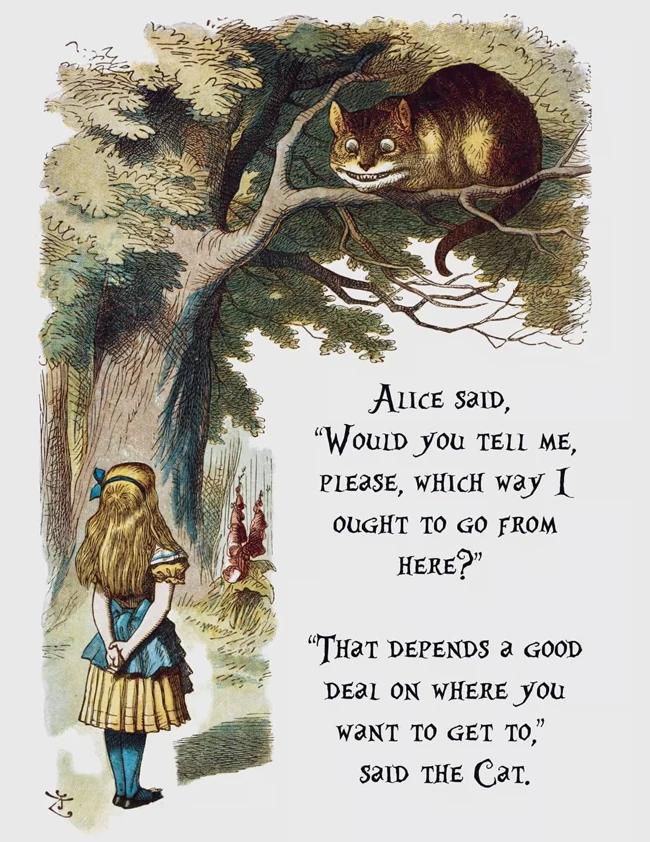
Image source: https://capturingwonderland.com/best-wonderland-quotes/
Here are some key takeaways:
1. Use generative AI under the supervision of a senior millennial.
2. In the long run, complete dependency on AI will lead to 80% harm and only 20% benefit, as often depicted in sci-fi movies. Take notes from this.
3. Treat AI like a baby dragon; train it to work for you, not the other way around.
4. Avoid relying on AI for everything. Use your own brain, be original, creative, and critical.
We are humans, superior creations of Almighty. We have a brain, so be wise and use it intelligently
to its fullest potential. This happens when you’re natural, not dependent on technology, and enjoy
taking on challenges.
Happy Reading
Here’s me, signing off……
Dr SAM Ali.
Research Officer
SEMRC
Leave A Comment