 By admin
Introduction:
A headache strikes before an exam. A cold flares up right before a big presentation. A sharp burn follows a late dinner. What’s the go-to response for many? A pill – no doctor’s visit, no delay, no hesitation.
The World Health Organization reports that over half of all medications globally are prescribed, distributed, or sold improperly, with a significant number being misused by patients. Nearly half of the people around the world misuse over-the-counter (OTC) drugs, often unaware of the potential dangers. In a fast-paced world that values speed and ease, popping a pill can seem like the simplest fix for common health issues.
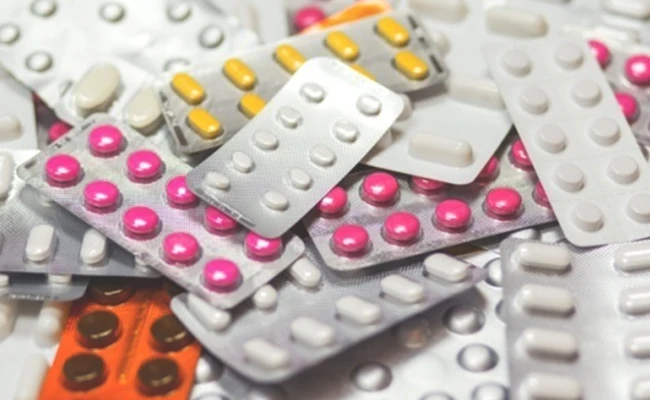
Image Source: https://www.amberpharmacy.com/wp-content/uploads/2017/11/OTC-medications-scaled.jpeg
As the famous physician William Osler once said, “The desire to take medicine is perhaps the greatest feature which distinguishes man from animals.”
With their ready availability and fast action, OTC medicines have quietly become everyday essentials. Yet beneath their convenience lies a critical question: are we using them thoughtfully, or simply out of habit?
What Makes OTC Drugs So Popular?
OTC medications are designed for convenience, enabling people to manage common health issues without a doctor’s visit, making care more accessible. Whether it’s painkillers, cough syrups, antacids, or allergy pills, these remedies are readily available at pharmacies and online platforms.
They’re especially helpful for students and busy professionals who can’t spare time for medical appointments, as well as for families looking to avoid the costs of repeated doctor visits. In remote or medically underserved regions, OTC medicines often become the main source of treatment.
Their widespread use comes down to three key advantages: ease of access, low cost, and quick symptom relief.
Additionally, the growing amount of health information available online has made self-treatment more common, further boosting the use of non-prescription drugs.
Image Source: https://www.shutterstock.com/search/otc-medicines?image_type=vector
The Power of Self-Care:
OTC medications have transformed the way people manage their health independently. They enable individuals to address minor ailments without relying on medical professionals, helping to reduce pressure on healthcare services. Consider how much time is saved when common issues like fever or heartburn can be treated at home. In today’s fast-paced world, where every minute counts, OTC drugs serve as a practical first step in managing everyday health concerns.
The Science behind the Relief:
Although they seem simple, OTC medications are grounded in well-understood pharmacological science. Each drug is formulated to interact with specific biological processes in the body.
For instance:
– Nonsteroidal Anti-Inflammatory Drugs (NSAIDs) relieve pain and inflammation by inhibiting cyclooxygenase (COX) enzymes.
– Antihistamines prevent allergy symptoms like sneezing and itching by blocking histamine receptors.
– Antacids reduce heartburn by neutralizing surplus stomach acid.
– Decongestants ease nasal congestion by narrowing blood vessels in the nasal passages.
This precise targeting of physiological pathways is what gives OTC drugs their effectiveness. At the same time, it underscores the need for proper use; disrupting these systems inappropriately or too frequently can result in adverse effects.
When Convenience Turns into Risk:
OTC medications are easily accessible, which can create a misleading belief: if a drug doesn’t require a prescription, it must be entirely safe.
This assumption is misleading.
Taking pain relievers too often can damage the liver and kidneys. Regular use of some cough syrups carries the risk of dependence. Combining medications without understanding their components may lead to dangerous interactions. Even using two different products that contain the same active ingredient can unintentionally cause an overdose. The risk of harm is much higher in older patients, as consuming a drug without knowing the doses may be harmful and may often lead to accidental overdosing.
Such misuse, often stemming from this false sense of security, can lead to significant health risks. The problem isn’t necessarily the medication itself – it’s how people use it.
Common Risks Include:
Overdosing: Consuming larger amounts than advised in an attempt to achieve quicker symptom relief.
Redundant medication: Using more than one product that includes the same active compound.
Medication interactions: Taking multiple drugs together without fully understanding how they interact.
Prolonged misuse: Continuing use of medications past the recommended time frame.
For example, taking too much paracetamol can result in serious liver injury, while extended use of NSAIDs may lead to stomach ulcers or impaired kidney function. Likewise, misuse of certain cough syrups can result in dependence or excessive drowsiness.
A further major issue is the concealment of symptoms. Regular use of over-the-counter drugs can hide signs of more serious underlying conditions, potentially postponing proper diagnosis and medical intervention.
The Pharmacist: An Unsung Guardian:
Pharmacists are frequently underappreciated, yet they are essential in promoting the safe use of medications. Far more than just dispensing prescriptions, they serve as knowledgeable advisors who help patients understand correct dosages, potential side effects, and how different drugs may interact.
They are healthcare professionals trained to:
– Suggest appropriate medications
– Clarify how and when to take them
– Alert patients to possible adverse reactions and interactions

Image Source: https://irishpharmacist.ie/clinical/cpds-modules/otc-medicines/
A brief consultation with a pharmacist can often avoid significant health problems. Despite this, many individuals overlook or bypass this valuable resource. In numerous situations, their guidance can make a critical difference in preventing serious medical complications.
Smart Use: The Real Solution:
Using over-the-counter medications responsibly is essential to getting the most benefit while keeping risks low. Adopting a few thoughtful practices can have a significant impact:
- Always read labels closely, as details are important.
- Stick strictly to the recommended dosage.
- Don’t treat symptoms on your own for extended periods.
- Exercise care when taking multiple medications together
- Consult a healthcare provider if symptoms don’t improve.
The Bigger Picture: A Public Health Perspective:
OTC medications have an important impact on public health by allowing people to treat minor ailments on their own, easing pressure on healthcare systems and freeing up medical resources for more severe cases. Yet, when these drugs are commonly misused, the consequences can include higher rates of hospitalization, the development of drug resistance, and lasting health issues.
Global health data indicate that a significant share of medication use is inappropriate, highlighting the importance of greater public awareness and education. As a result, public health efforts should aim not just at expanding access to medicines, but also at encouraging their responsible and informed use.
Conclusion: More than Just a Pill:
OTC medications can be highly effective when used properly, yet pose risks if misused. They offer convenience and autonomy in managing health, but that independence requires personal accountability.
Before taking a pill for quick relief, take a brief moment to reflect not only on whether it will help, but on whether you’re using it appropriately.
Real healthcare doesn’t start with a doctor’s prescription; it starts with understanding what you’re taking and why. Every OTC medication is more than just a simple fix. It’s an active drug that affects how your body works.
When used with care, it can bring meaningful symptom relief and support well-being.
When taken without thought, it may cause unexpected side effects or harm. Safety depends not just on medical guidance, but on individual choices. Staying informed, exercising caution, and making thoughtful decisions are essential for responsible use.
The real strength of medicine isn’t found in how easily it’s obtained; it’s found in how wisely and knowledgeably it’s used.
References:
- World Health Organization. Medication without Harm: WHO Global Patient Safety Challenge. https://www.who.int/initiatives/medication-without-harm
- https://www.fda.gov/drugs/buying-using-medicine-safely/understanding-over-counter-medicines
- Prevalence and Patterns of Self-Medication Practices in India: A Systematic Review and Meta-analysis. Medical Journal Armed Forces India 2025. https://pubmed.ncbi.nlm.nih.gov/40697682/
By,
Name: Dr. Subhana Tasneem
Designation: Research Co-ordinator
DGI: Salar-E-Millat Research Centre
Leave A Comment