
 By admin
The way we interact with money has changed dramatically in the last decade. From standing in long bank queues to making instant payments with a smartphone, finance has entered a completely new era. This transformation—often called the new age of finance—is driven by technology, innovation, and changing consumer expectations.
Whether you are a student, professional, or business owner, understanding these financial trends is essential to stay ahead in today’s digital world. Let’s explore the key developments shaping modern finance.
1. Digital Payments: The Move toward a Cashless Society

One of the most visible changes in finance is the rise of digital payments. Systems like UPI, mobile wallets, and contactless cards have made transactions quick and effortless. Today, you can pay bills, transfer money, or shop online within seconds.
In India, digital payments have grown rapidly, supported by government initiatives and increased smartphone usage (Reserve Bank of India, 2023). This shift has not only improved convenience but also increased transparency and reduced the need for cash.
2. Fintech: Redefining Financial Services

Financial Technology, or fintech, is revolutionizing the way financial services are delivered. Fintech companies provide innovative solutions such as online banking, digital lending, investment apps, and budgeting tools. These platforms are easy to use, cost-effective, and accessible anytime, anywhere. According to the World Bank (2022), fintech has played a major role in improving financial inclusion by bringing services to underserved populations.
3. Artificial Intelligence: Smarter Finance

Artificial Intelligence (AI) is making financial systems more intelligent and efficient. Banks and financial institutions are using AI for:
Fraud detection
Customer service through chatbots
Personalized financial advice
AI can analyse large amounts of data quickly, helping institutions make better decisions. It also enhances customer experience by providing faster and more accurate services (Cao et al., 2020).
4. Cryptocurrency and Blockchain: A New Financial Model

Cryptocurrency and blockchain technology have introduced a completely new way of thinking about money. Cryptocurrencies like Bitcoin operate on decentralized systems, meaning they are not controlled by any central authority.
Blockchain ensures secure and transparent transactions, reducing the risk of fraud. Although still evolving, these technologies have the potential to transform global financial systems.
5. Data Analytics: Powering Financial Decisions
In the new age of finance, data is a valuable asset. Financial institutions use data analytics to: Understand customer behaviour, Predict market trends and Offer personalized services Data-driven decision-making helps both businesses and individuals make smarter financial choices and manage risks effectively.
6. Sustainable Finance: Investing for the Future

Today’s investors are not only concerned about profits but also about social and environmental impact. Sustainable finance focuses on investing in companies that follow ethical practices and contribute to society.
Environmental, Social, and Governance (ESG) factors are now an important part of investment decisions, promoting long-term and responsible growth.
7. Financial Inclusion: Expanding Access
A key goal of modern finance is to ensure that everyone has access to financial services. Digital banking, mobile payments, and microfinance have made it possible for people in rural and remote areas to access banking facilities.
According to the World Bank (2022), digital finance plays a crucial role in improving financial inclusion and supporting economic development.
8. Cybersecurity: Protecting Digital Finance

As finance becomes more digital, security becomes more important. The rise in online transactions has increased the risk of cyber threats and data breaches.
Financial institutions are investing in advanced technologies such as encryption, biometric authentication, and multi-factor verification to protect user data and ensure safe transactions.
9 Open banking:
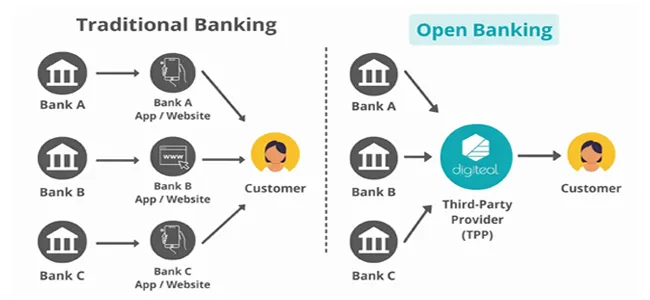
In addition to these trends, the concept of “open banking” is also gaining popularity. Open banking allows third-party financial service providers to access customer data (with consent) to offer more personalized and innovative services. This promotes competition and improves customer experience by giving users more control over their financial information.
Conclusion
The new age of finance is fast, digital, and constantly evolving. Trends such as digital payments, fintech, artificial intelligence, blockchain, and sustainable finance are reshaping the financial world in powerful ways.
While these innovations offer exciting opportunities, they also require awareness and adaptability. By staying informed about these trends, individuals and businesses can make better financial decisions and take full advantage of the opportunities in this new financial era.
References
Reserve Bank of India. (2023). Digital payments in India. https://www.rbi.org.in
World Bank. (2022). Fintech and the future of finance. https://www.worldbank.org
Cao, L., Yang, Q., & Yu, P. (2020). Data science and AI in FinTech. FinTech: https://arxiv.org/abs/2007.12681
Name: Md Afroz sikander
Designation: Asst professor
DGI: Deccan school of management, Department of Hospital Management.
Leave A Comment